Last year I met with our volunteer gallery managers Rosalind Barker and Sue Evans (Sevenoaks Visual Arts Forum) to initiate a collaborative exhibition involving museum objects and creative responses from artists. Our intention was to open the dividing wall between the gallery and the museum during this time, inviting visitors from either side to move freely between the two spaces.
When choosing a theme for the project, we were keen to tie in with Kent Libraries’ Story Garden summer reading challenge. We considered how there are many wooden objects in the collection, objects which represent multiple past lives: that of a tree, of a made object, of a ‘working’ object and of a museum object, all sharing a historical context which predates mass production, when things both decorative and useful were made through direct human interaction.
The title ‘Treen (of a tree)’ was decided upon. Treen is a term used in antiques to describe small, handmade, household wooden objects generally from the 17th century and earlier. The word is derived from the Old English trēowen, meaning ‘wooden’/ ‘of a tree’. Wood being a uniquely regenerative material also tied in with the council’s Seeds of Change sustainability initiative.
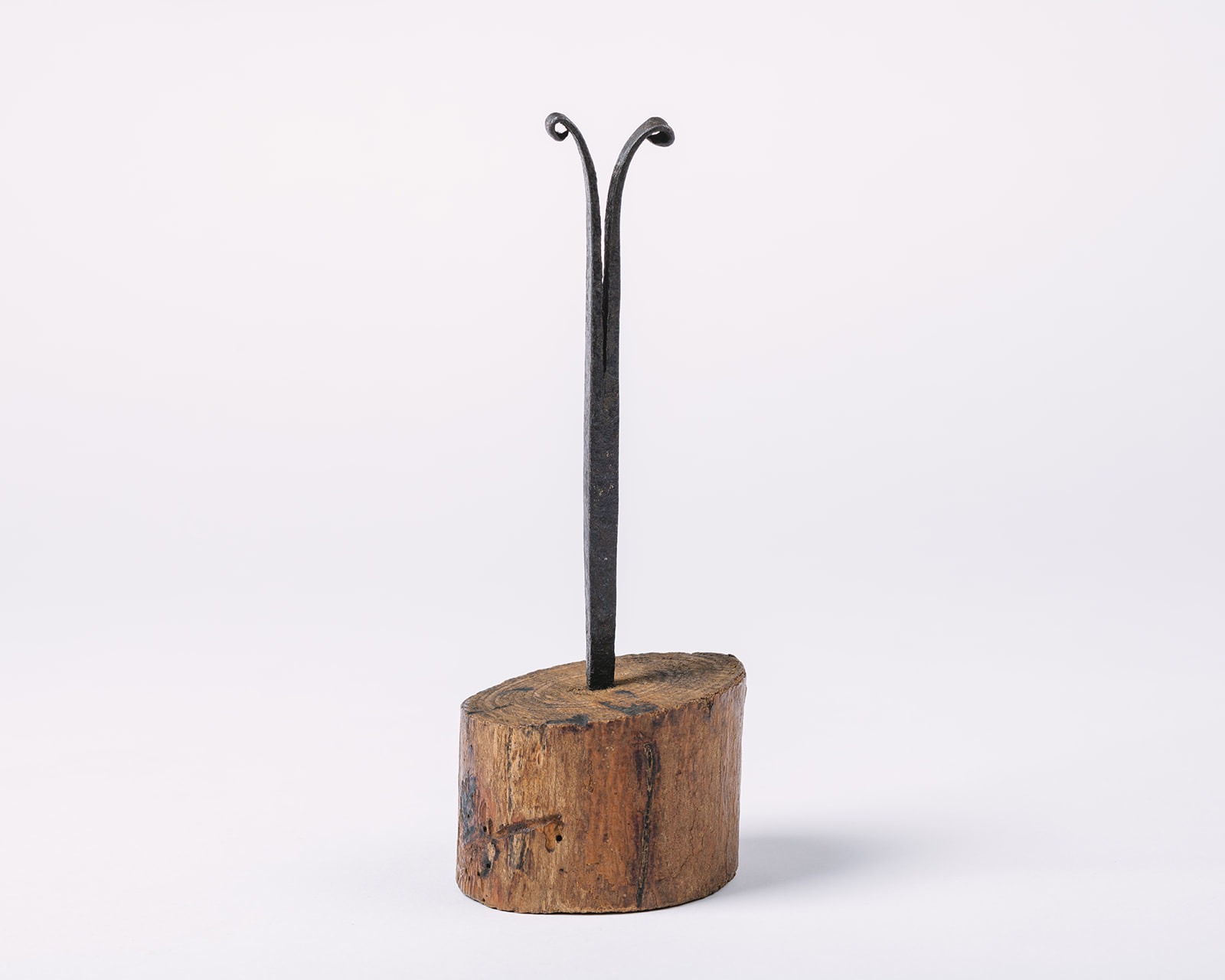
Ros and Sue put a call out to members of Sevenoaks Visual Arts Forum, outlining the theme and asking for submissions which would respond to wooden museum objects, be it their material, function, physical form, or even their meaning in the context of a museum collection, with a side note that this was not necessarily a request for depictions of trees or artworks made from wood. 22 artists requested to take part.
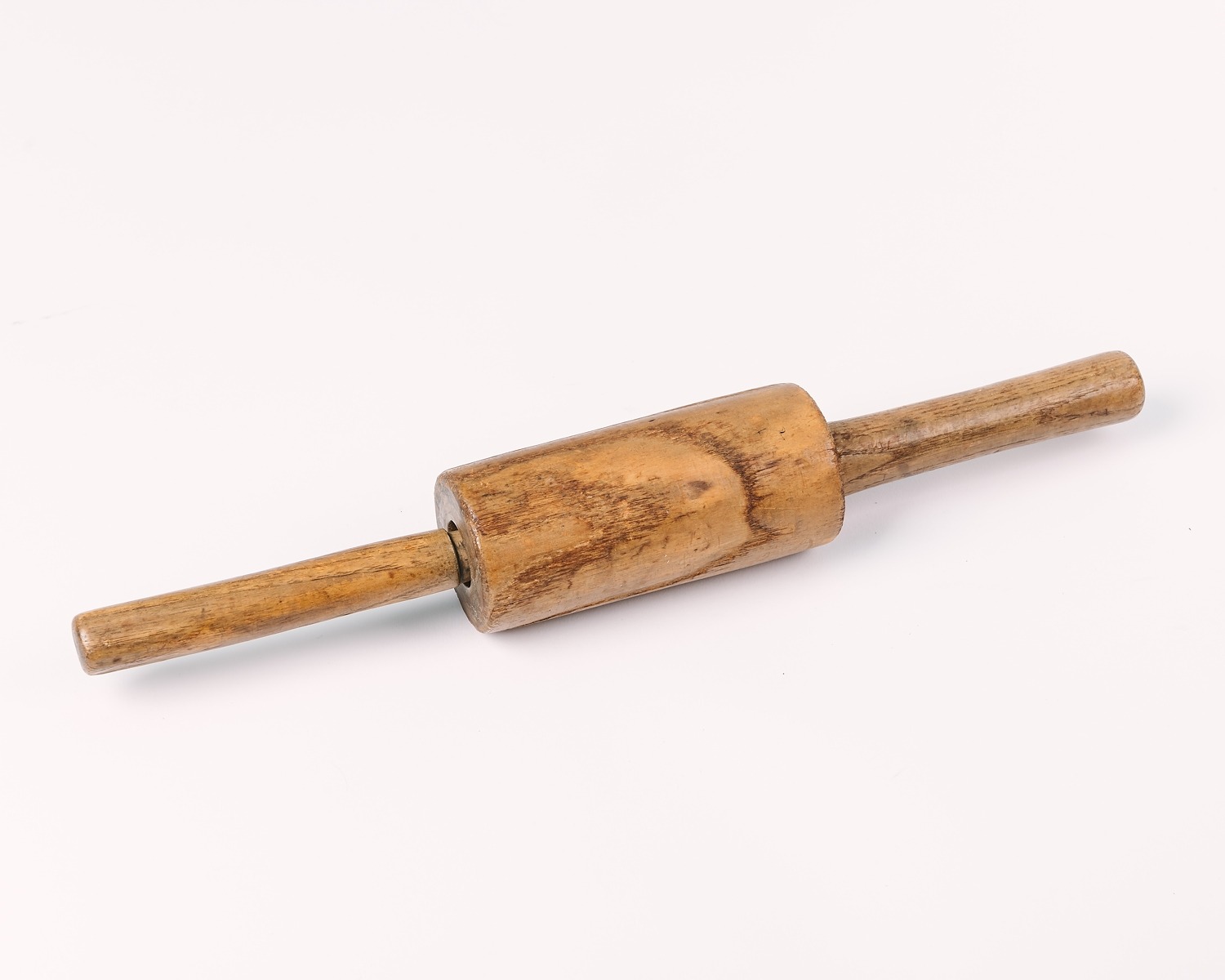
In addition to the wooden objects already on display, I selected objects from the collection store to go on show for the two months leading up to the exhibition, giving the participants an opportunity for sketching, photos and research. The chosen objects were not painted or highly finished, their material and the process of their making was visible, as were signs of wear. Some utilised a raw chunk of wood, others had been smoothed, carved or varnished to some degree.
The objects included a jail cell door, church poor box, rushlight holder, scuppet, plumber’s turnpin, cobbler’s last, doll’s house furniture, wheelwright’s lamp stand, skittles ‘cheese’, straw rolling pin, carpenter’s tools, scythe, ‘gypsy’ clothes pegs, and fossilised wood.
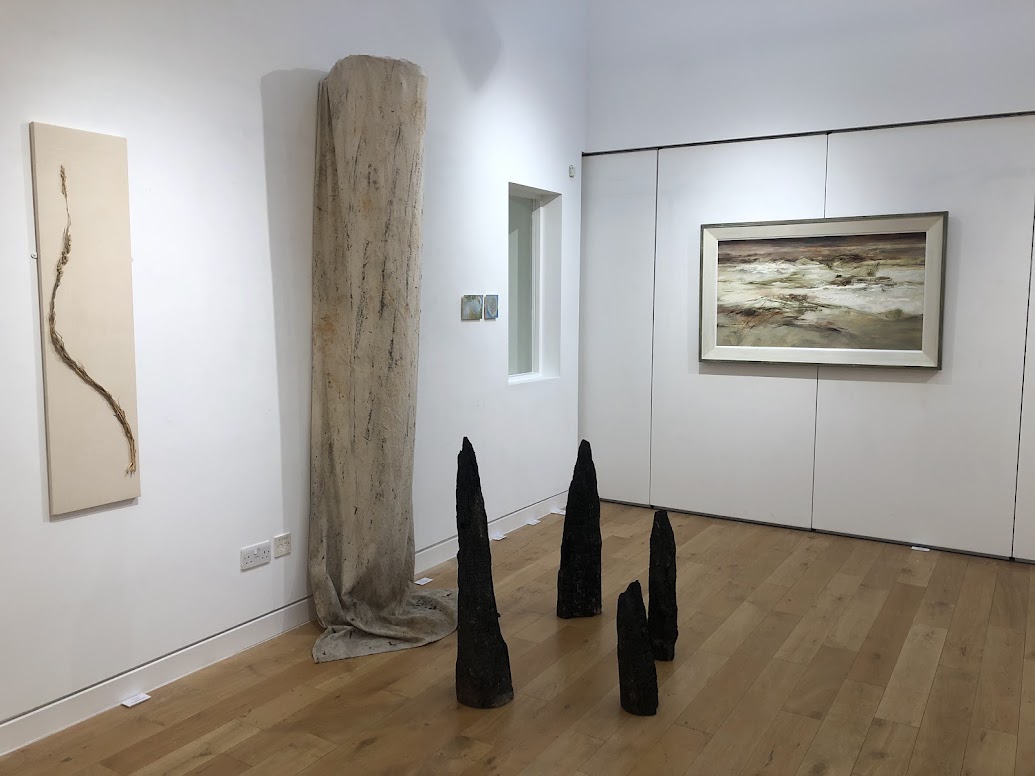
The artworks submitted offered a contrasting mix of size, medium and style, but a harmony of colour – neutral tones, greens and monochrome. To me, the ghostly qualities of Ros’s graphite rubbing and Sarah Cliff’s prints were particularly fitting representations of objects no longer ‘living’ in the real world.
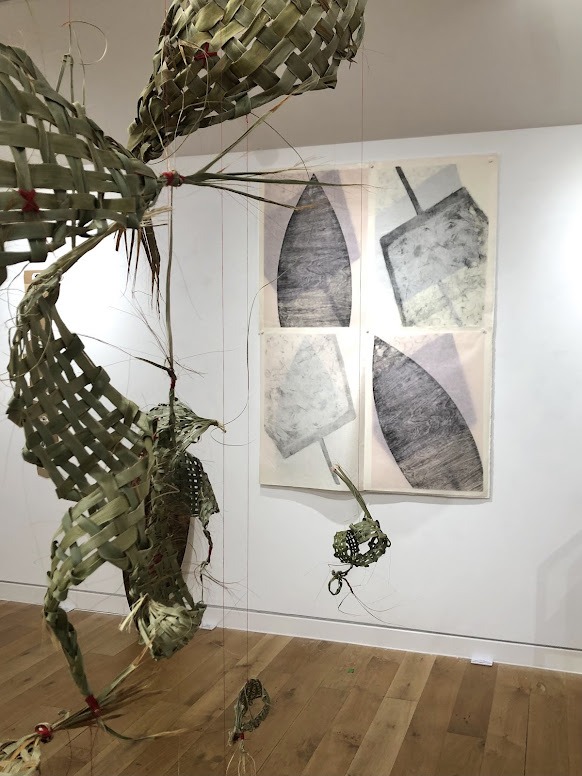
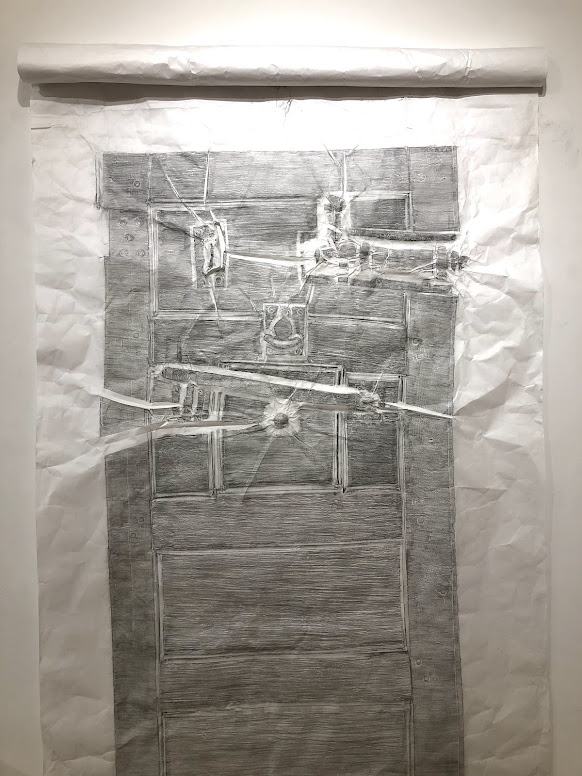
As well as contributing their own work, Ros, Sue and Sarah curated the exhibition. I assisted with arranging the objects among the artworks. Two of the larger, sturdier objects were chosen for open display. Smaller objects were positioned inside cases beside their related artworks.
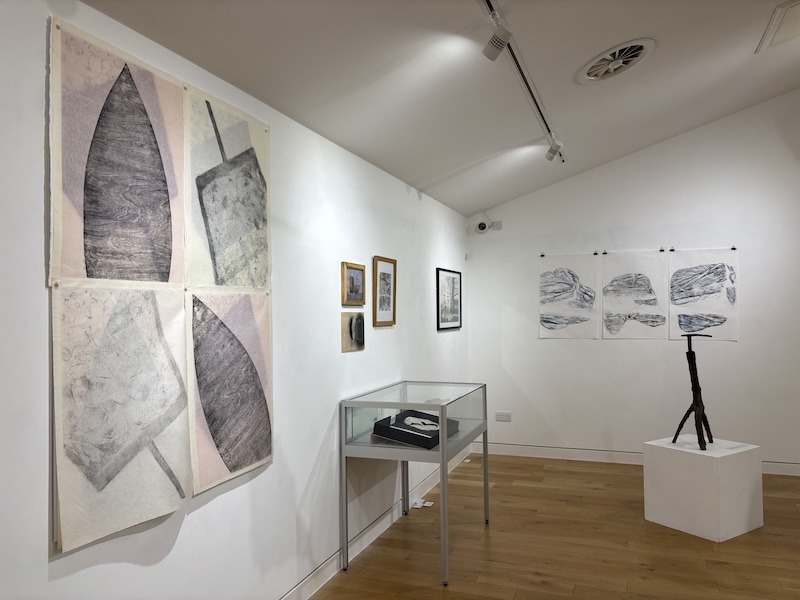
Given the insignificant monetary value of the objects, an open display did not pose a security risk. Plinths provided a buffer zone to prevent people from getting too close, and the area has CCTV. The plinths also created an interesting effect, blurring the lines between fine art and functional object.
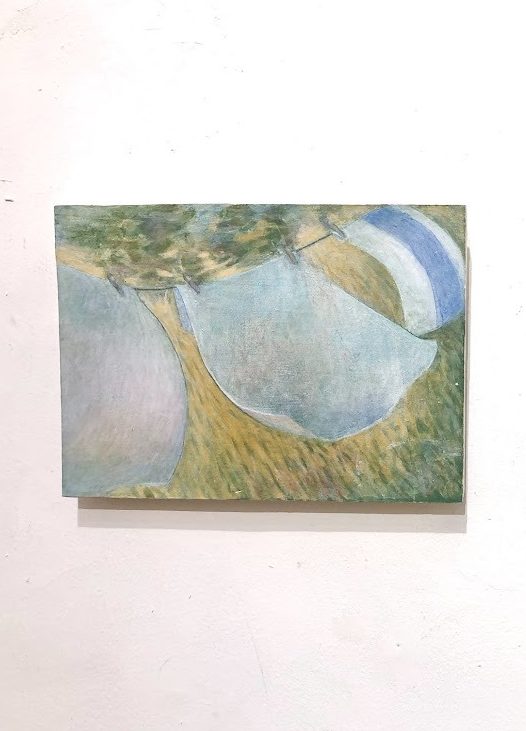
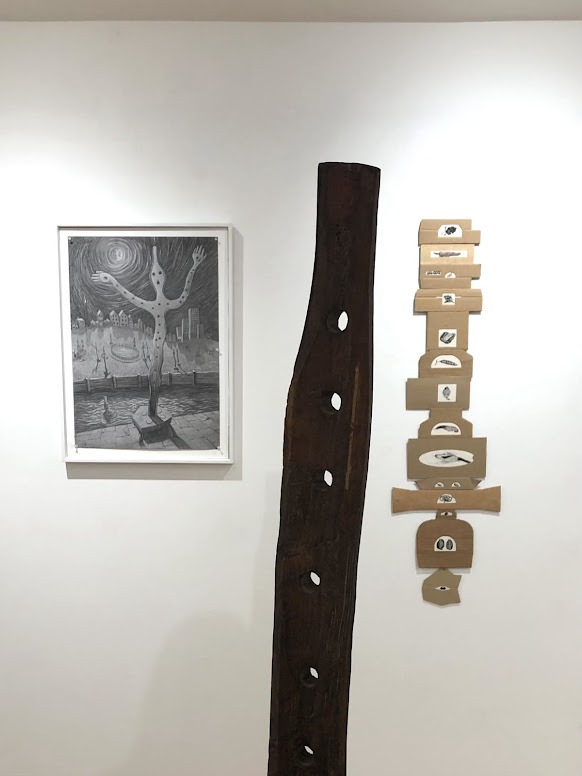
It was fascinating to see which objects artists were most drawn to. The jail door and the clothes pegs were popular objects, perhaps as more familiar symbols. The wheelwright’s lamp stand inspired abstract and playful responses.
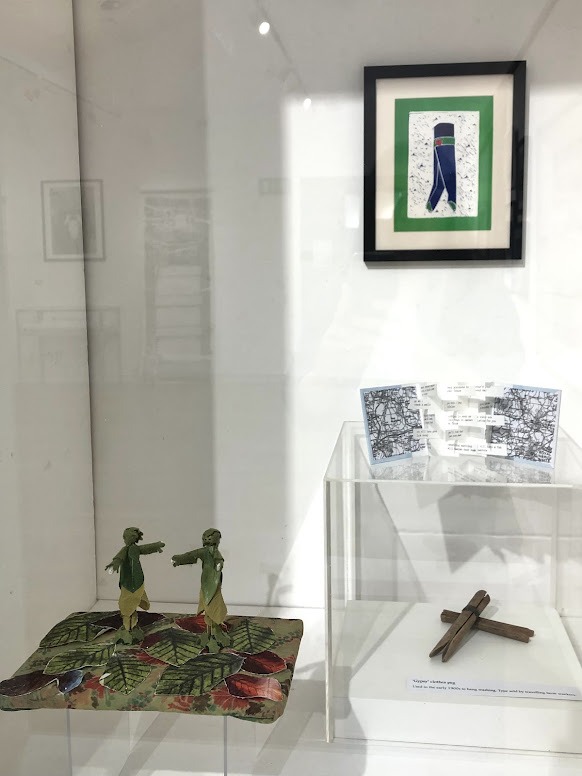
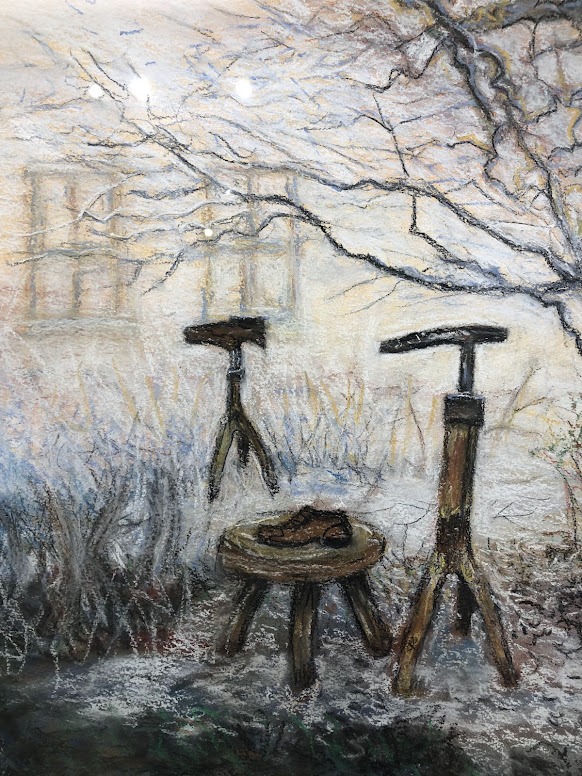
Other works were profound responses to the ‘of a tree’ theme, such as Venetia Nevill’s Memories of a Tree. Marilyn Kyle’s piece considers an everyday object of her own which has taken on significance over generations, itself presented in an archival box.
To see a full list of works with artist explanations, view the full programme here.
The project was well received by the artists and the public, and from a curator’s perspective it was a fun and useful tool to engage people with the collection beyond the traditional museum exhibition format, to include objects we do not usually have the physical or narrative space for.
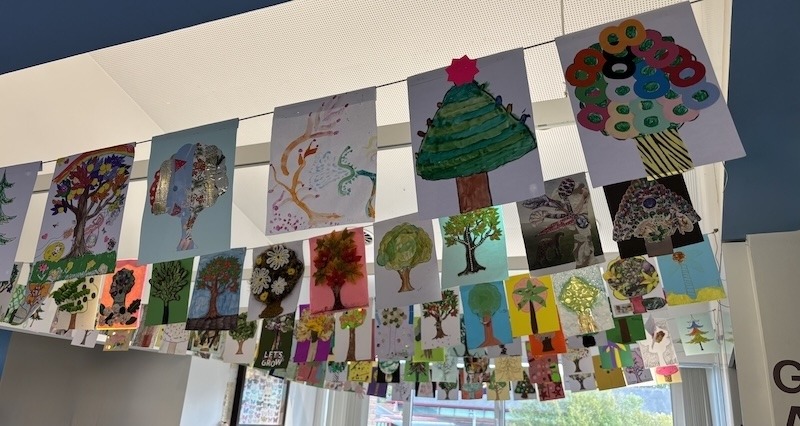
Members of the public and community groups were encouraged to contribute to a Forest of the Imagination, which went on display in the top floor activity space at the same time as the exhibition.
Visitor comments:
‘How interesting and inspiring to see so many interpretations of wooden objects. The thought process of some artists is so deep and interesting. Some literal and some humorous. Loved it.’
‘Great exhibition. Interesting approaches. Loved The Family Breadboard.’
‘All very good. My favourite are the burnt trees still standing.’
‘Interesting way of looking at the uses and importance of wood.’
‘Very interesting and exquisite! The recreation of The Scream was very creative.’
‘Love the wood wasps 😊’
‘I loved every minute of my time here today.’
Written by Liz Botterill, Curator