Soldier’s quilt
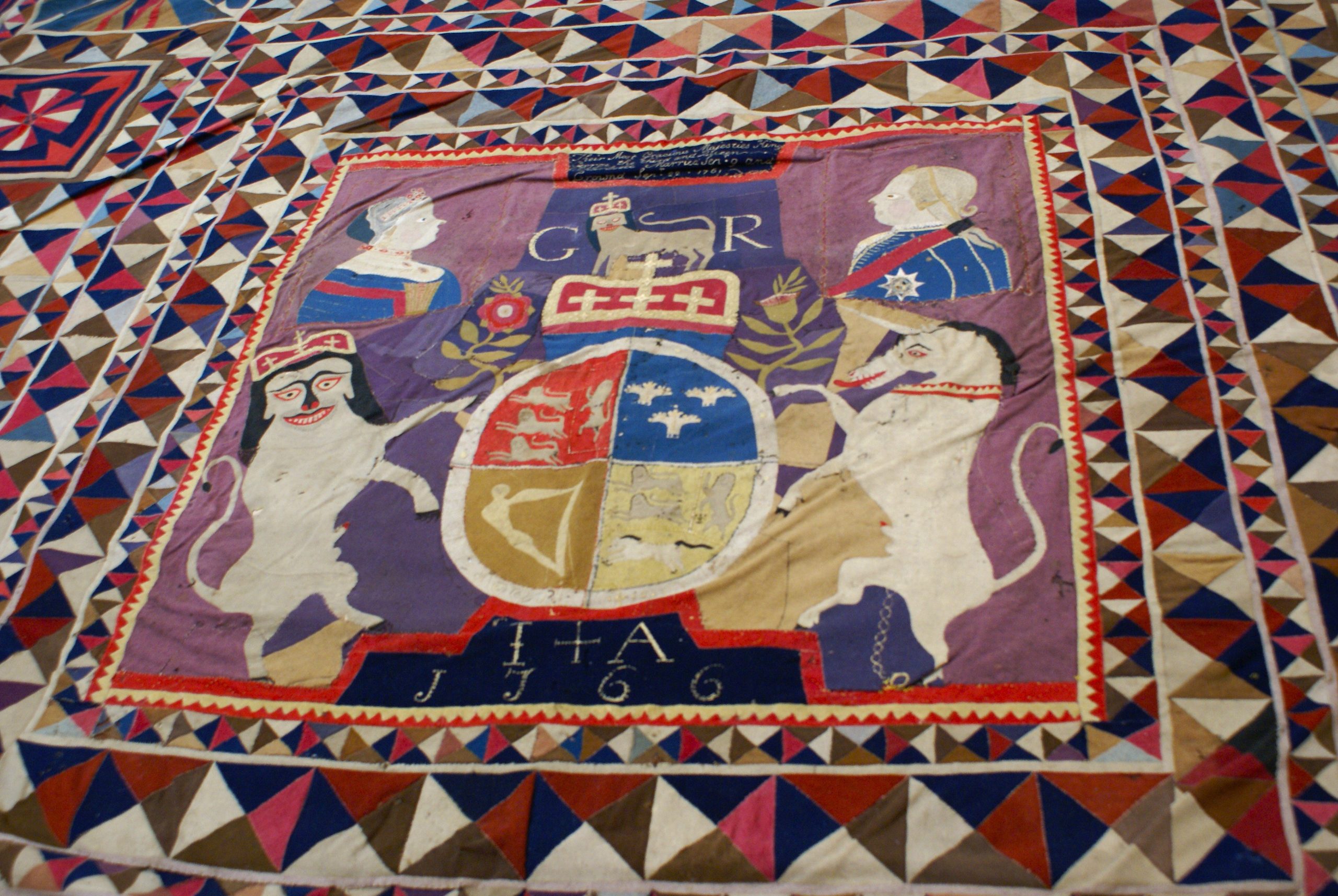
/ The Collection / Featured Objects / K1792 Patchwork quilt thought to have been made by Crimean War soldiers, with central panel made by Jane Amherst in the 1700s. It might have been hung at Montreal House for a visit of King George III in 1778. It is likely that the central piece was made […]
Apothecary bottle
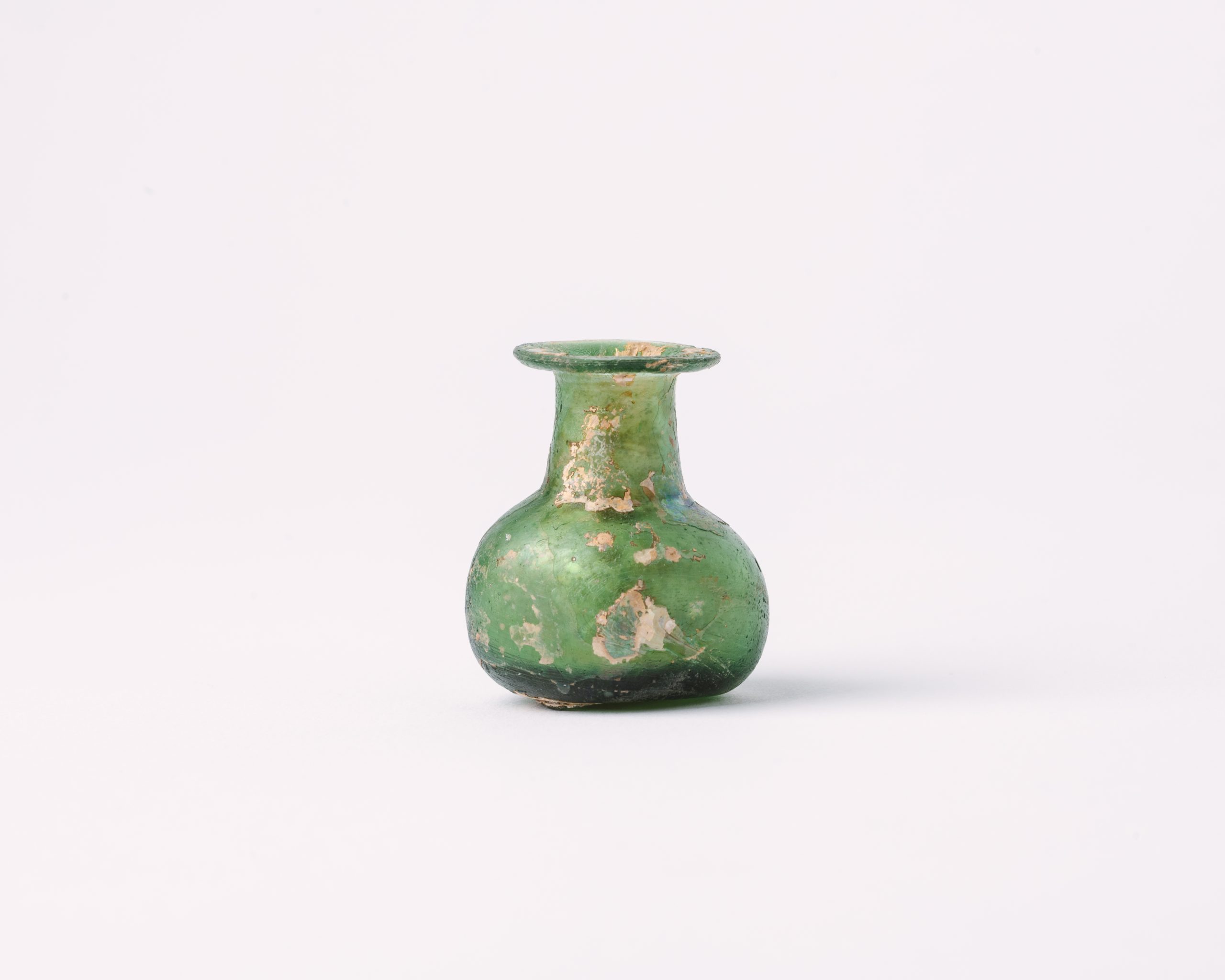
/ The Collection / Featured Objects / K3 Green glass apothecary bottle, 1500s, only 3cm in height
Magic lantern
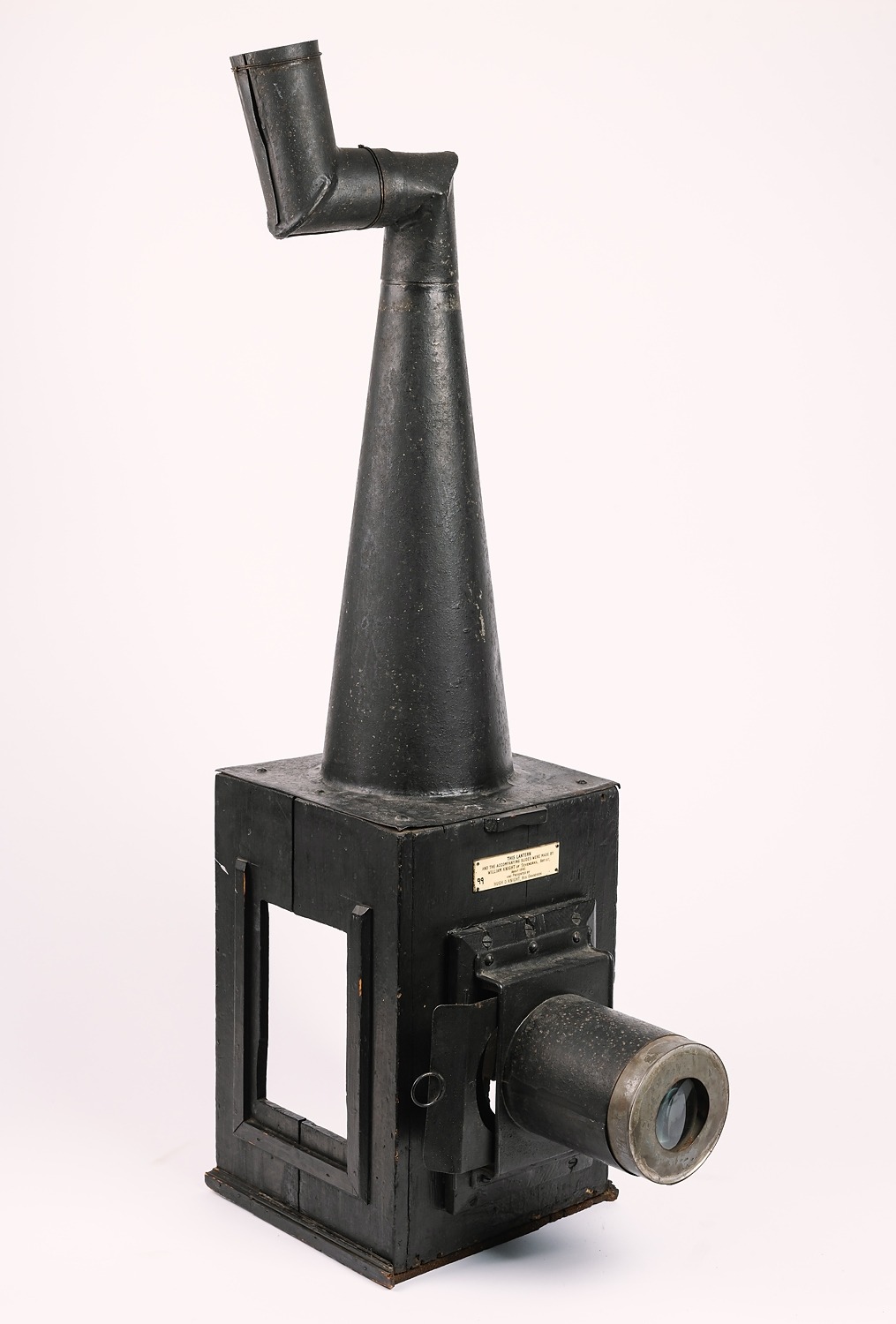
/ The Collection / Featured Objects / K99 Magic lantern, used with slides and a flame to project images, made by William Knight, 1800s See Art for more from William Knight
Palace floor tiles
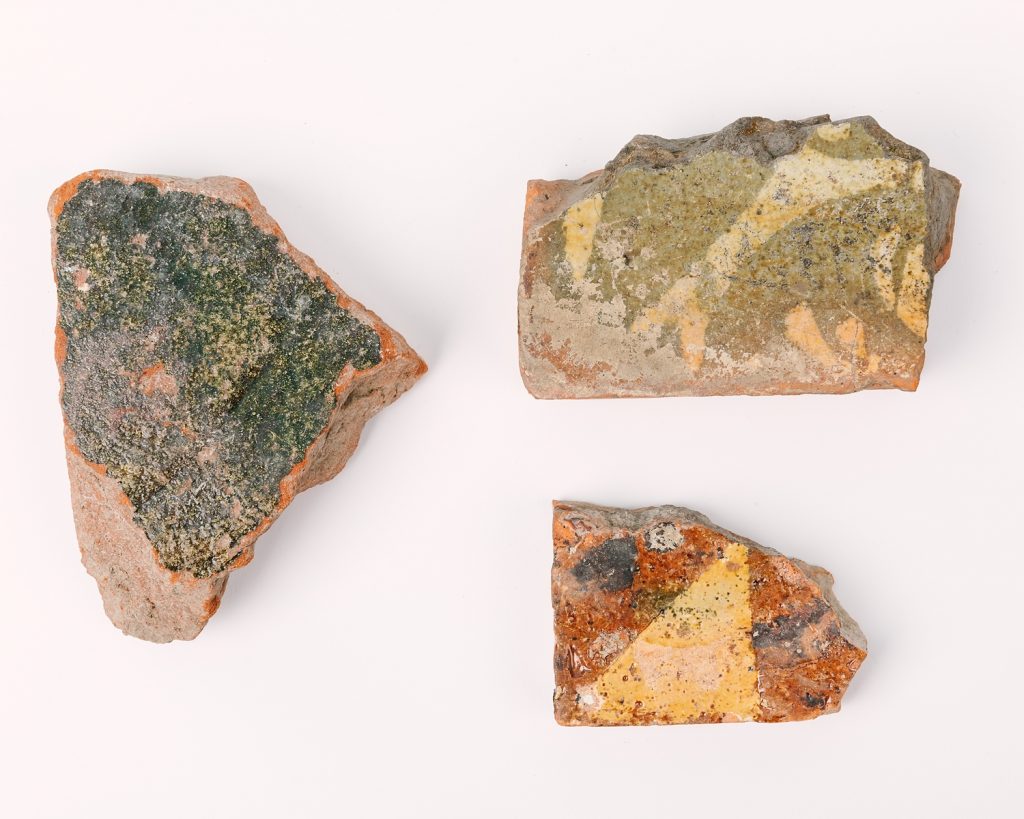
/ The Collection / Featured Objects / K1784 Medieval and Tudor floor tile fragments from the site of Otford Palace In 1515, Archbishop Warham built a grand palace, replacing an older manor house. A short lived extravagance, the palace fell into disrepair in the 1600s. Medieval tile glazes were based on scrap lead which was […]
Bodice
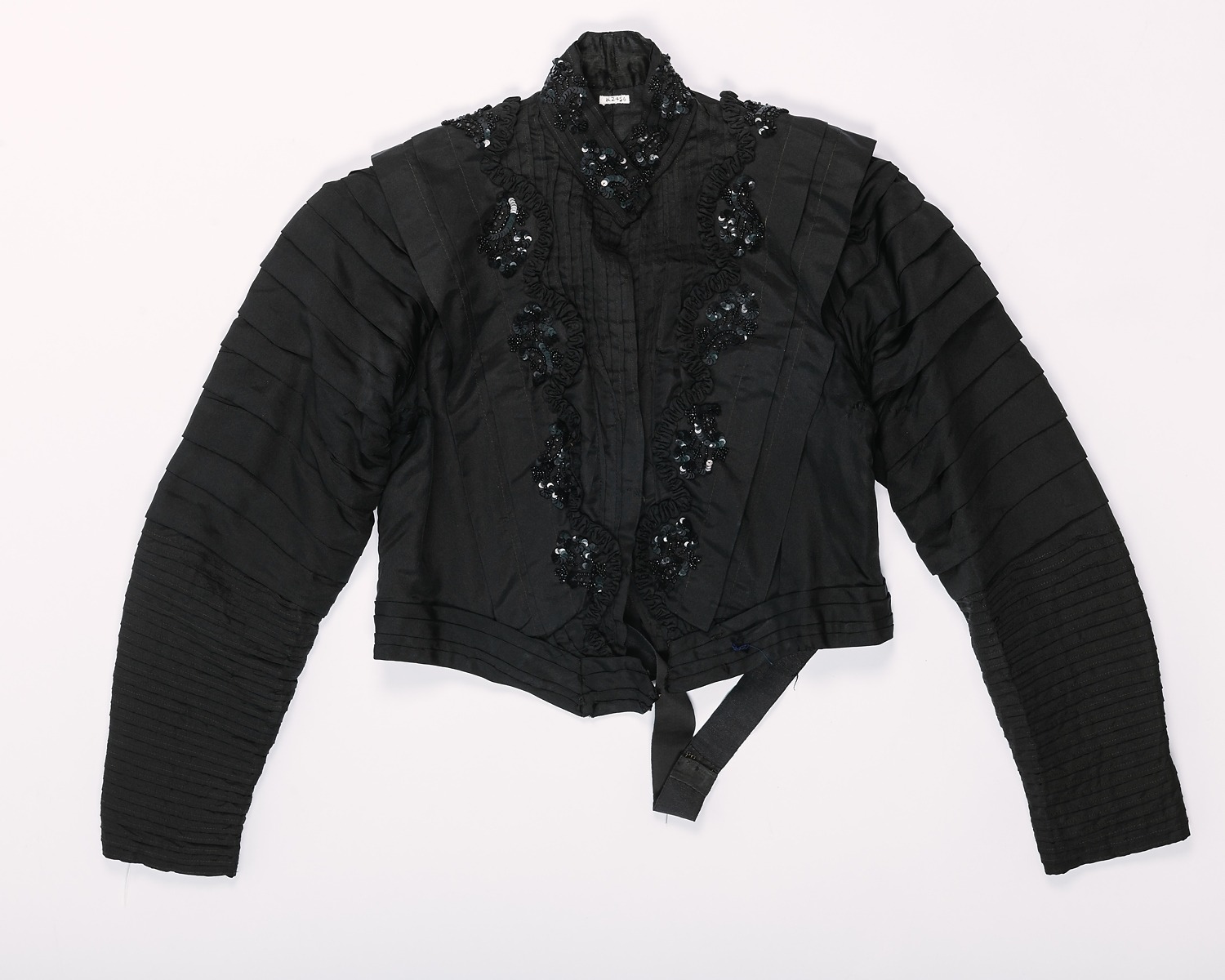
/ The Collection / Featured Objects / K2456 Ladies bodice made by Marchant and Wright, Sevenoaks, c.1900 K2456 inside See Household and Personal for more clothing and accesories
Silver hook
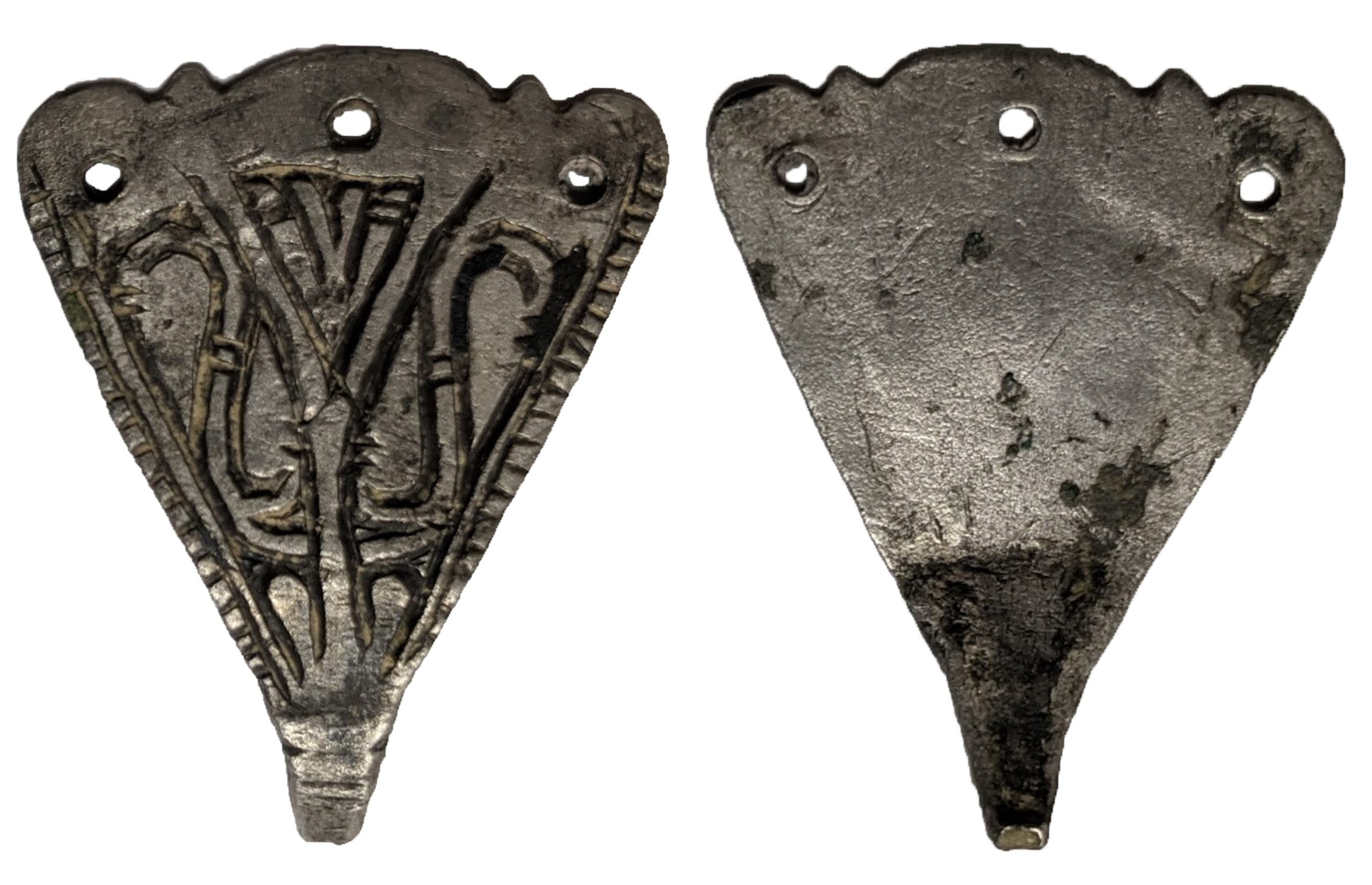
/ The Collection / Featured Objects / K4063 Early Medieval silver hooked tag (end broken off) used as a garment or bag fastener. Engraved with decoration in the Trewhiddle Anglo Saxon style, appearing to show a bird in flight. Found in Farningham.
Iron Age
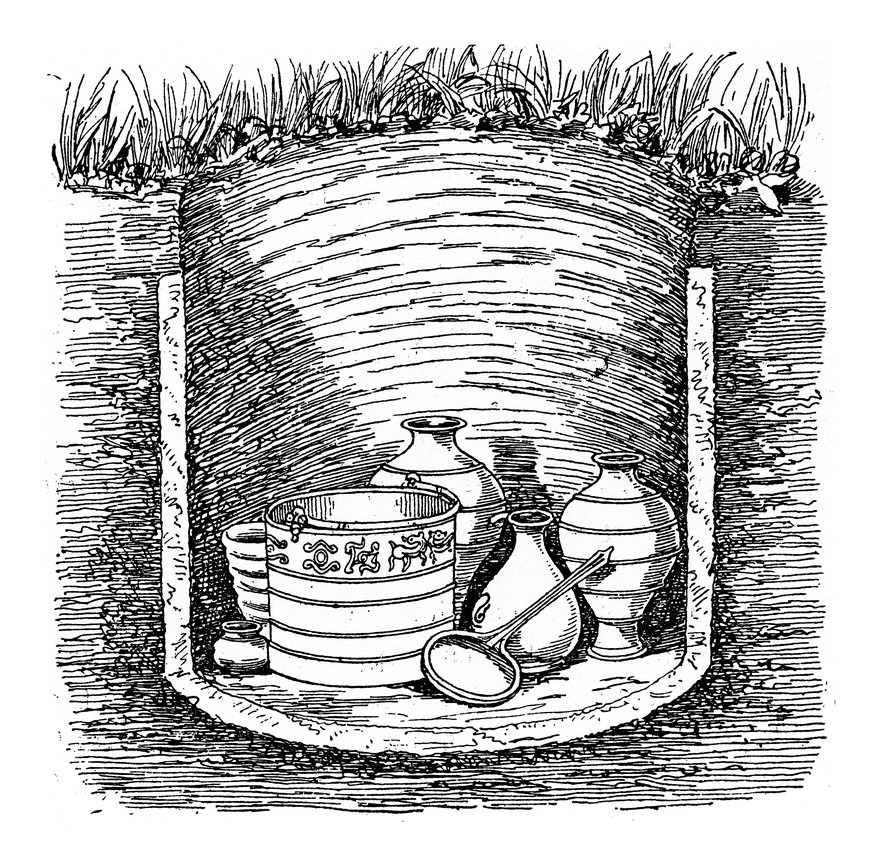
Oldbury camp is built by Celtic British tribes on a hill west of Ightham, in a strategic location overlooking routes through the Kentish Weald…
Bronze Age
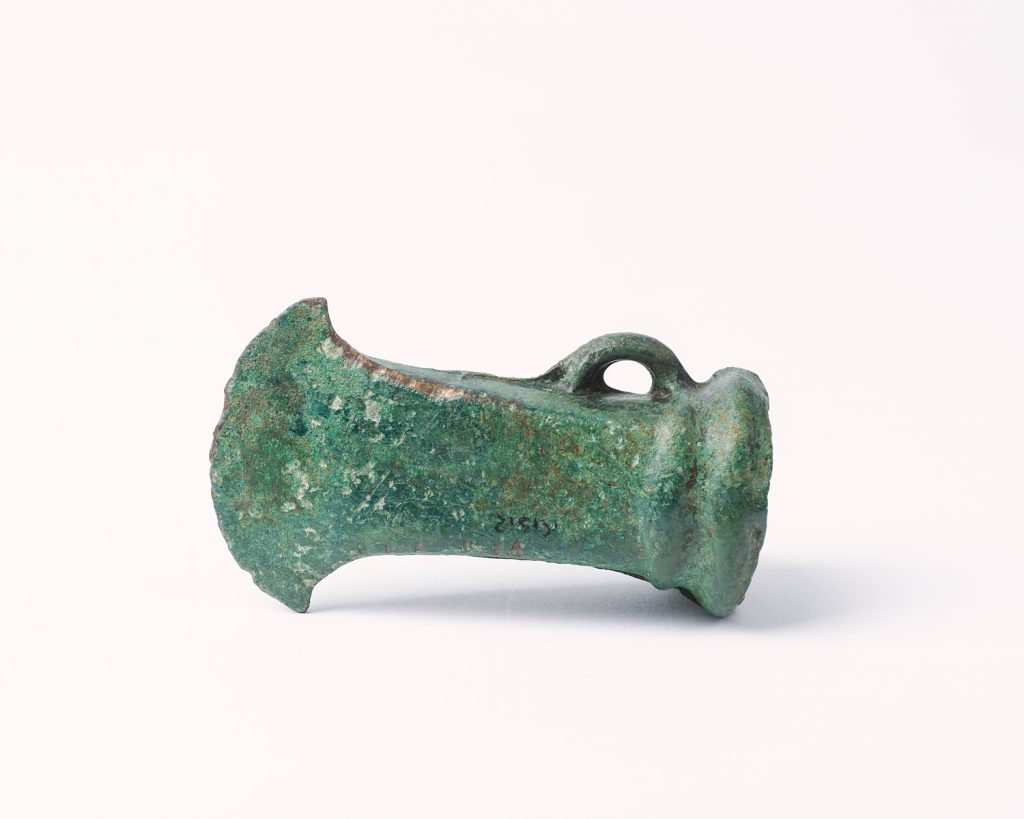
Bronze and copper replace stone as the preferred material for making tools and weapons.
The adoption of agriculture becomes widespread.
New Stone Age
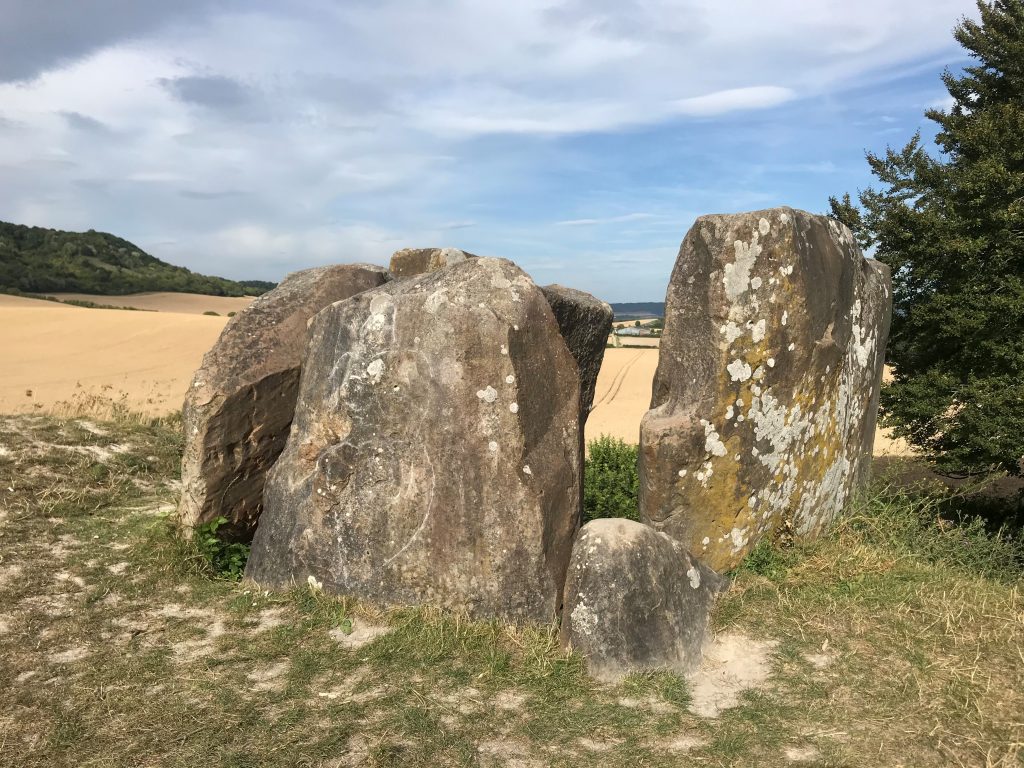
People begin farming and producing pottery, and take part in rituals that signify complex spiritual beliefs.
Britain has become an island after millennia of rising sea levels.
Modern humans
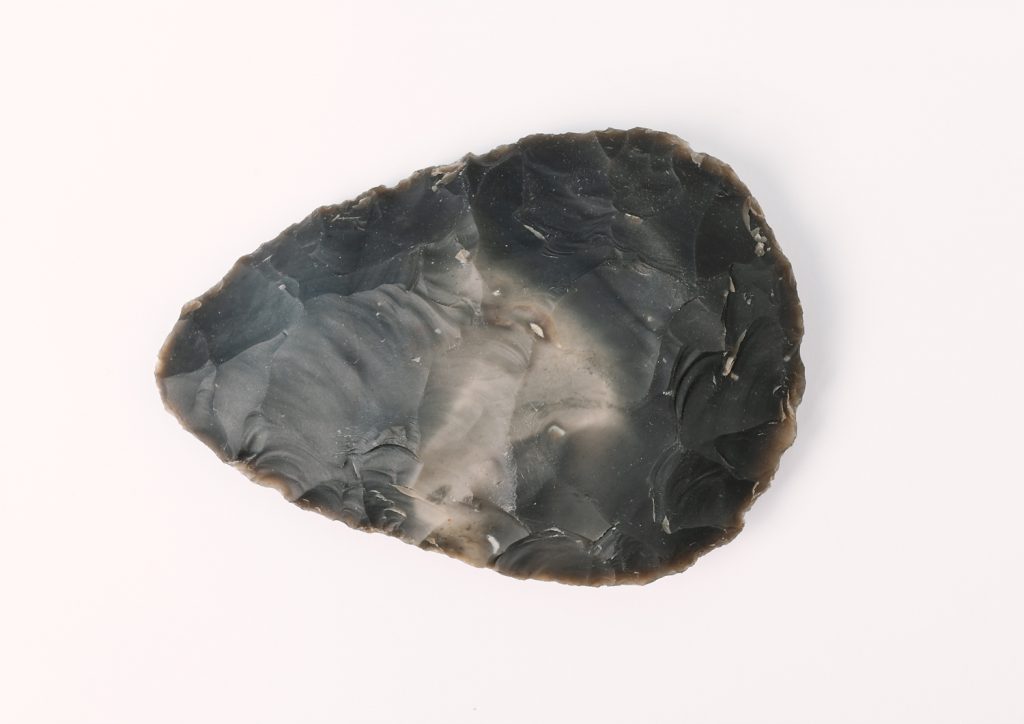
Homo sapiens have dispersed into Europe from Africa. They live in large groups, and make increasingly sophisticated tools and weapons from wood and stone.